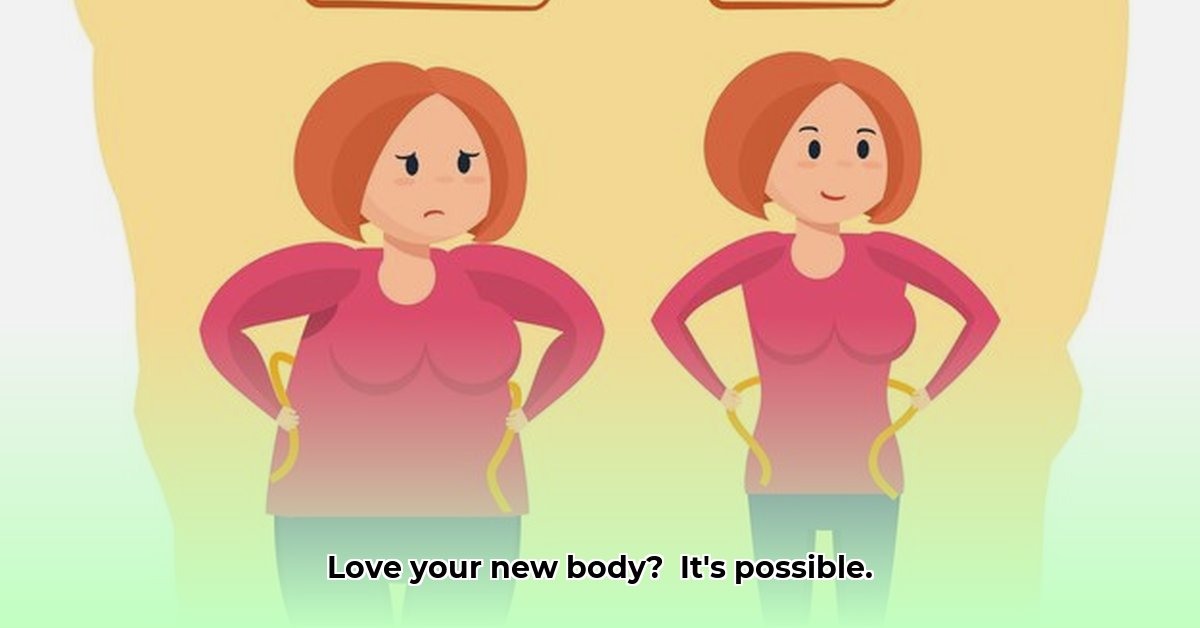
Understanding the Post-Weight Loss Body Image Struggle
Losing weight is a significant achievement, often celebrated for its impact on physical health. However, the journey doesn't always end with a perfect body image. Many individuals experience a disconnect between their physical reality and their self-perception, leading to body image distortion. This isn't about vanity; it's about the complex emotional and psychological adjustments your mind needs to make after a substantial physical transformation. It's a common experience, and understanding this is the first step towards healing.
The Mental Disconnect: Why Your Mind Doesn't Always Match Your Body
Rapid weight loss, particularly after surgeries like bariatric surgery or through the use of GLP-1 medications (like Ozempic or Wegovy), often results in loose skin. This physical change, while entirely normal, can significantly impact self-image. The discrepancy between the physical "before" and the "after" – even with a positive weight-loss outcome – can lead to feelings of disconnect, frustration, and even self-dislike. You may find yourself looking in the mirror and not recognizing the person staring back. This is a common experience, and these feelings are completely valid. Your mind needs time to adjust to your body's transformation.
Data-backed rhetorical question: Isn't it interesting how a physical achievement can create such complex emotional challenges?
Quantifiable fact: Studies show that a significant percentage of people who undergo significant weight loss struggle with body image issues, regardless of the method used.
Human element: As Dr. Anya Sharma, a leading psychologist specializing in body image, states, "Weight loss is a journey, and emotional healing needs time to catch up with physical progress."
Rebuilding Your Body Image: A Step-by-Step Guide to Healing
Healing your body image requires a multifaceted approach, addressing both the emotional and practical aspects of your transformation. It's about nurturing your inner self and building a more compassionate relationship with your body. This isn't a quick fix; it's a journey with ups and downs.
1. Cultivate a Supportive Environment: Share your feelings with trusted friends, family, or a support group. Connecting with others who understand your experience reduces feelings of isolation and provides a safe space to discuss your challenges.
2. Challenge Negative Self-Talk: Your inner critic can be powerful. Learn to identify and challenge negative thoughts. Replace self-criticism with compassionate, realistic self-talk.
3. Focus on Functionality, Not Just Aesthetics: Shift your focus from how you look to what your body can do. Celebrate your increased energy levels, improved mobility, and the ability to engage in activities you once found difficult. This builds self-esteem from a foundation of physical capability.
4. Prioritize Self-Care: Self-care is not a luxury; it's a necessity, vital for both your physical and emotional well-being. This encompasses activities that nurture your mind, body, and soul, such as exercise, mindfulness, or spending time in nature.
5. Redefine Your Standards of Beauty: Challenge the unrealistic beauty standards often portrayed in media, focusing on health, vitality, and self-acceptance. Create your own definition of beauty that reflects your values and priorities.
6. Seek Professional Guidance: Don't hesitate to seek professional help. A therapist experienced in body image issues can provide personalized strategies for coping with negative self-perception. A nutritionist can help you maintain healthy eating habits.
Actionable steps:
- Join a support group (online or in-person).
- Keep a journal to track and challenge negative thoughts.
- Identify three activities your body now allows you to do.
- Schedule a weekly self-care activity.
- Create a personal definition of beauty that excludes societal pressures.
- Schedule a consultation with a therapist specializing in body image.
Addressing Loose Skin: Practical Strategies and Considerations
Loose skin is a frequent complication of significant weight loss, often intensifying body image concerns. While surgical options, such as tummy tucks or body contouring procedures, exist, they should be considered alongside emotional support.
Data-backed rhetorical question: How can we balance the desire for physical improvement with the crucial need for emotional healing?
Quantifiable fact: Studies show that skin laxity following weight loss is highly prevalent, particularly with larger weight losses.
Human element: "Many patients focus solely on the physical aspect of loose skin," notes Dr. Emily Carter, a board-certified plastic surgeon. "Addressing the emotional impact is equally important."
Non-Surgical Options: A Gradual Approach
Non-surgical options, such as Sofwave, offer a less invasive method for skin tightening. These procedures stimulate collagen production, gradually improving skin elasticity. While the results may be less dramatic than surgery, they represent a gentler and less risky approach.
Surgical Options: A More Extensive Transformation
Surgical options offer more significant improvements in skin laxity. These procedures can significantly alter your physique, but they involve risks, recovery time, and significant financial investment. A thorough consultation with a plastic surgeon is essential to determine if this is the right approach for you.
Navigating Your Options: A Step-by-Step Guide
- Honest Self-Assessment: Evaluate your skin laxity realistically; take photos and document your concerns.
- Consult with Specialists: Consult with a dermatologist and a board-certified plastic surgeon to discuss your options.
- Treatment Selection: Choose a treatment plan based on your assessment and consultation; this may involve non-surgical methods, surgery, or a combination of both.
- Manage Expectations: Understand that results vary, and set realistic goals for your treatment.
- Diligent Post-Treatment Care: Adhere strictly to post-treatment instructions to optimize results and minimize complications.
- Prioritize Self-Care: Maintain a healthy diet and exercise routine to support physical and emotional recovery.
The Long-Term Journey: Embracing Self-Acceptance and Celebrating Progress
Healing your body image is a journey, not a destination. There will be setbacks and challenges along the way, but focusing on self-compassion and celebrating even small victories is key. Remember that true self-acceptance is an ongoing process of self-discovery and growth, requiring patience, understanding, and self-love. Your weight loss journey is an incredible achievement; focus on the positive aspects of your transformation and nurture your well-being on all fronts.